Amazing Stories of Kalaloch Lodge & Olympic National Park
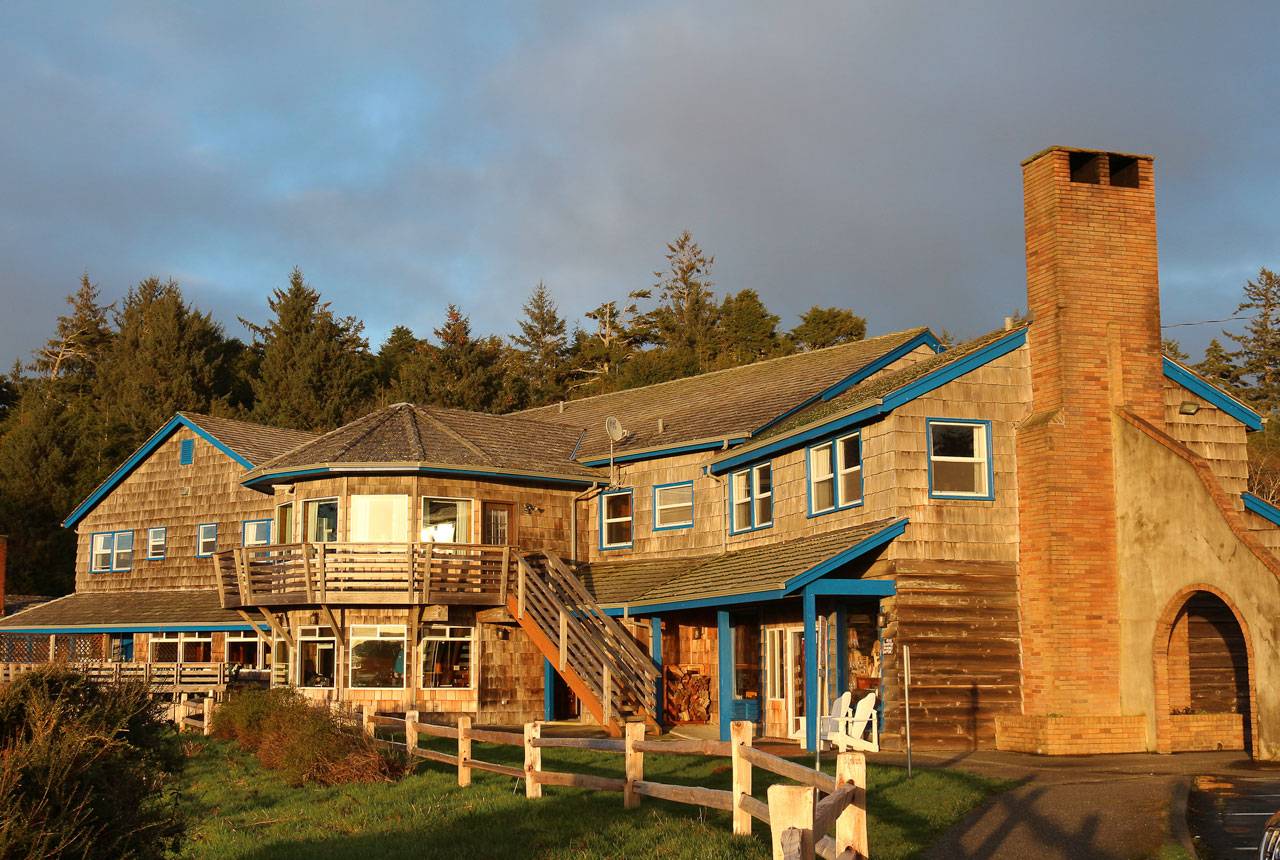
Kalaloch means a "good place to land" in the Quinault language as it was a safe place to land between the Quinault and Hoh Rivers
History of Olympic National Parks and Peninisula
- 6,000 to 12,000 Years Before Present – Early humans inhabited the Olympic Peninsula.
- 1788 – English explorer, John Meares, named Mount Olympus after the mythical home of the Greek gods.
- 1792 – Captain George Vancouver makes the name of the Olympic Mountains official.
- 1855 and 1856 – Eight Olympic Peninsula tribes ceded their lands and waters to the federal government and today live in reservations along the shores.
- 1885 – Lt. Joseph P. O’Neil led the first well documented exploration of the Olympics’ interior.
- 1889 – Washington becomes a state.
- 1889-90 – James Christie organizes the second expedition of Olympics’ interior. Lt. Joseph P. O’Neil joins and becomes an advocate for the establishment of the Olympics as a national park.
- 1897 - President Grover Cleveland created the Olympic Forest Reserve.
- 1909 – The Olympics were set aside as a national monument.
- 1913 –Thomas Aldwell’s vision to use the Elwa River for hydroelectric power becomes a reality; the Elwa dam is functional.
- 1927 – The Glines Canyon Dam is built eight miles upstream of the Elwa River due to economic and industry demands.
- 1938 – President Franklin D. Roosevelt signed a bill designated 898,000 acres as Olympic National Park to preserve some of Washington's quickly disappearing primeval forests.
- 1940 – Franklin D. Roosevelt added an additional 300 square miles to the park.
- 1953 – President Harry Truman added 75 miles of coastal wilderness to the Park.
- 1976 – Olympic National Park is designated as an International Biosphere Reserve.
- 1981 – Olympic National Park is designated as a World Heritage Site.
- 1988 – Congress designated 95% of the Park as the Olympic Wilderness.
- 1992 – The Elwha River Ecosystem and Fisheries Restoration Act is passed and supports, “full restoration of the Elwha River ecosystem and native anadromous fisheries”
- 2011 – The Elwha Dam is removed.
Natural Resources of Olympic National Park
Mountains: The Olympic Mountains rise from sea level to the highest peak of Mount Olympus at 7,980 feet.
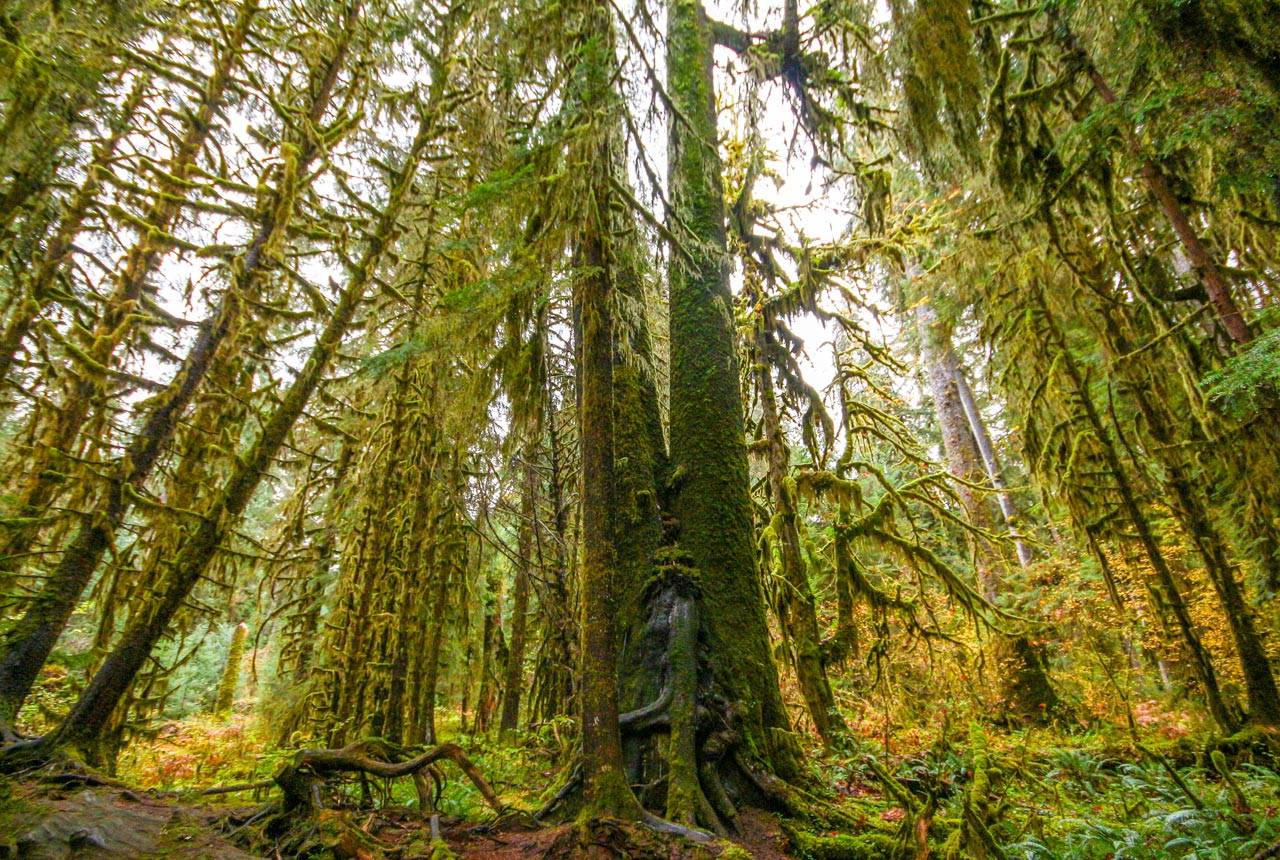
Forests: The largest intact old growth and temperate rain forests in the lower 48 states are protected by Olympic National Park.
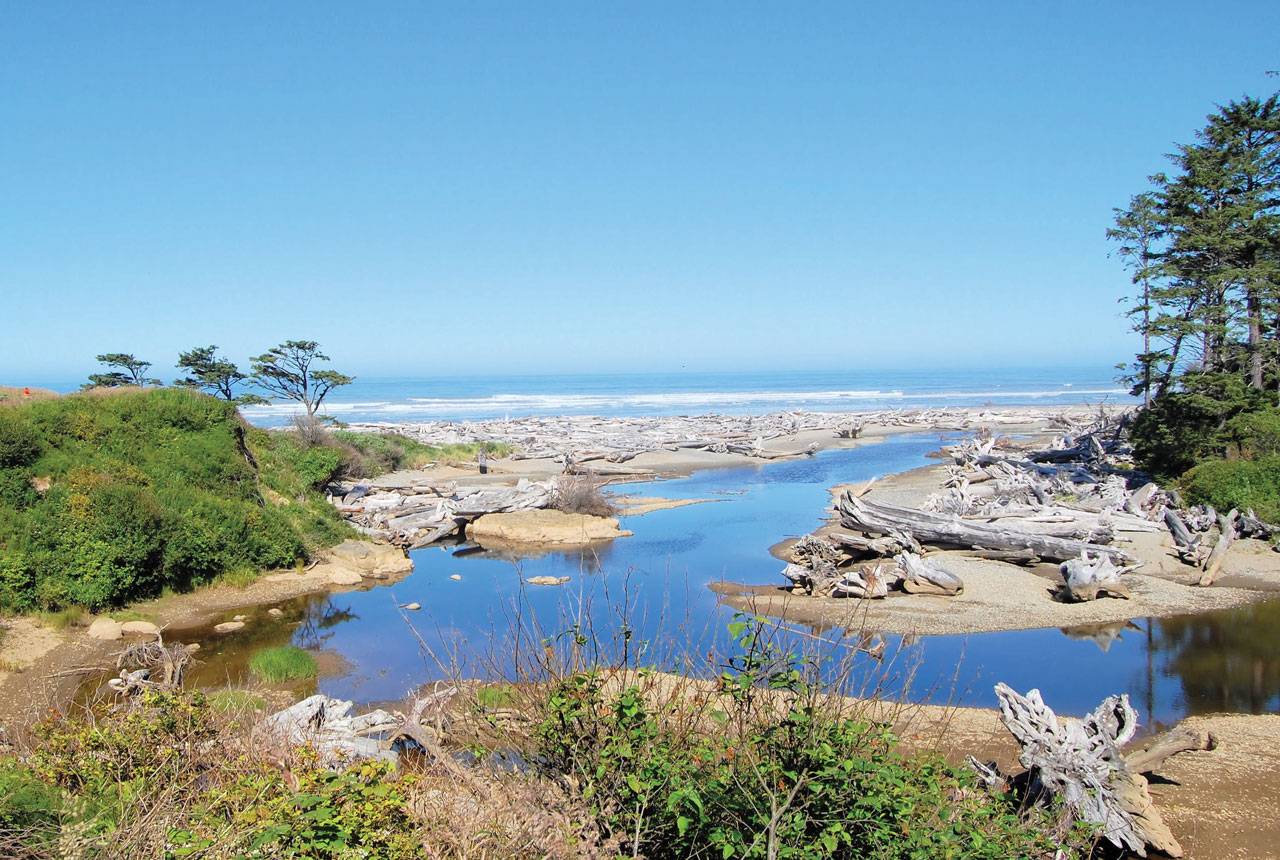
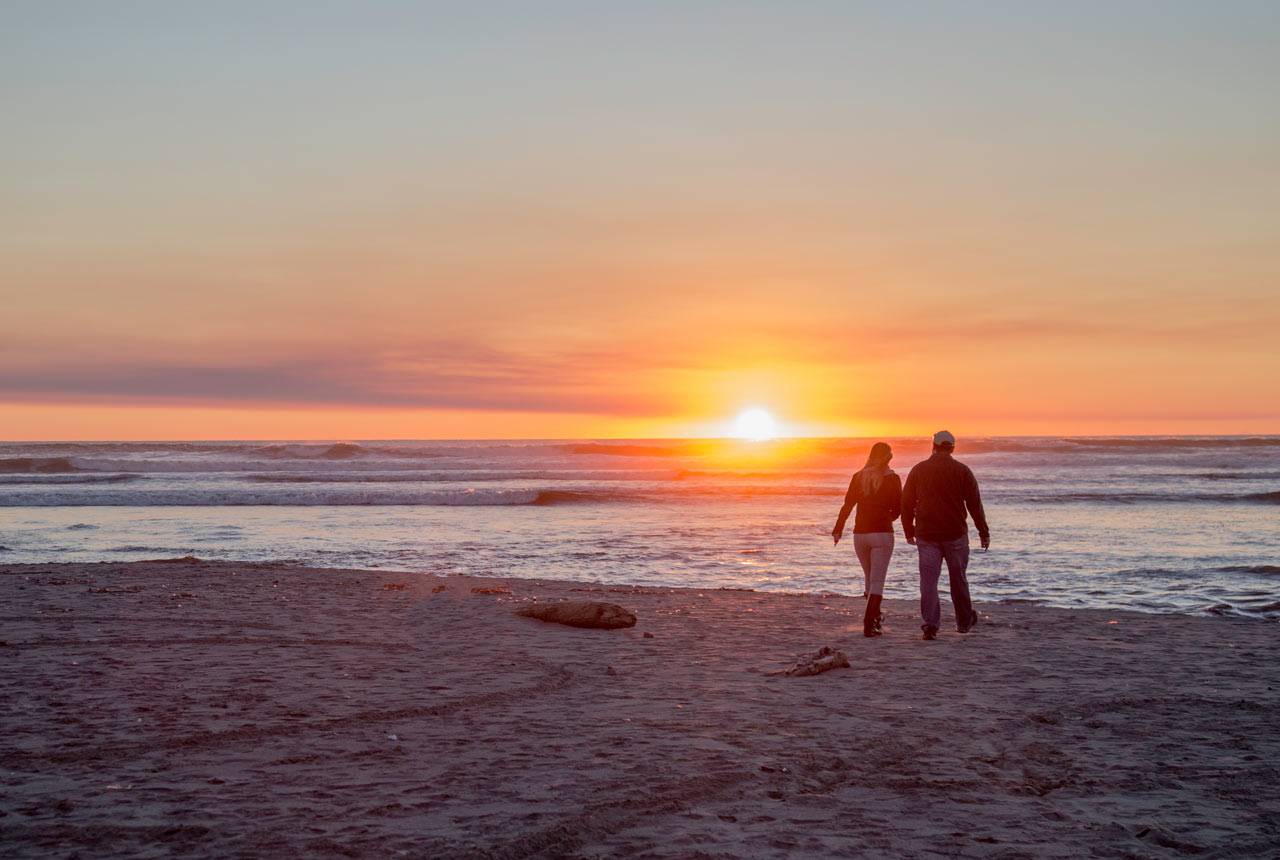
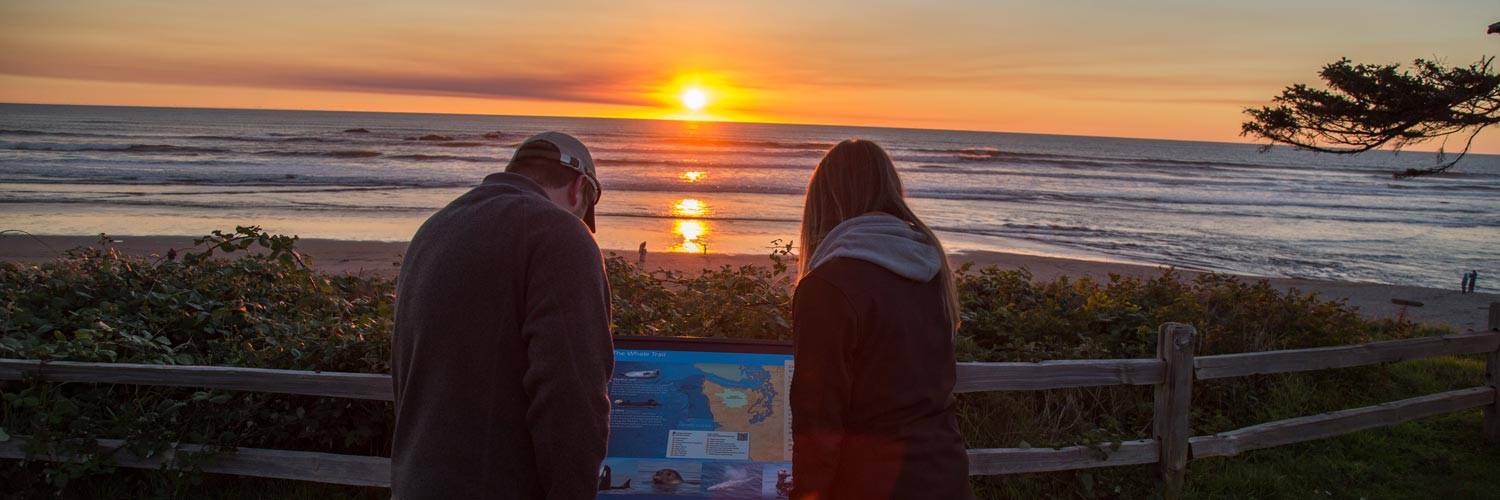
Coastlines: 73-miles of wilderness coastline harbor a diversity of marine and intertidal life.
Plants: There are over 1,450 types of vascular plants that inhabit the Olympic Peninsula.
Animals: There are 56 mammal species found in Olympic National Park, of which 24 are marine.
Birds: There are about 300 bird species found on the peninsula.
Fish: 37 native fish species inhabit the waters of Olympic National Park.
Fun Facts about Olympic National Park:
- 140 to 167 (12 to 14 feet) inches of rainfall occur annually.
- The largest unmanaged herd of Roosevelt Elk in the world are found here.
- There are 60 named glaciers.
- Today the Park encompasses 922,651 acres, 95% of which is wilderness.
- 22 native species are listed as threatened or endangered
- There are 611 miles of trails in the Park.
- Over 3 million people visit the Park annually.
Visit Olympic National Park Services’ website to learn more: http://www.nps.gov/olym/index.htm